Advice, ideas and straight-talking insight from Coach Ziggy to help you train with more purpose, understand your swim, and perform better in the water.
Subscribe to our mailing list for the latest news and updates.
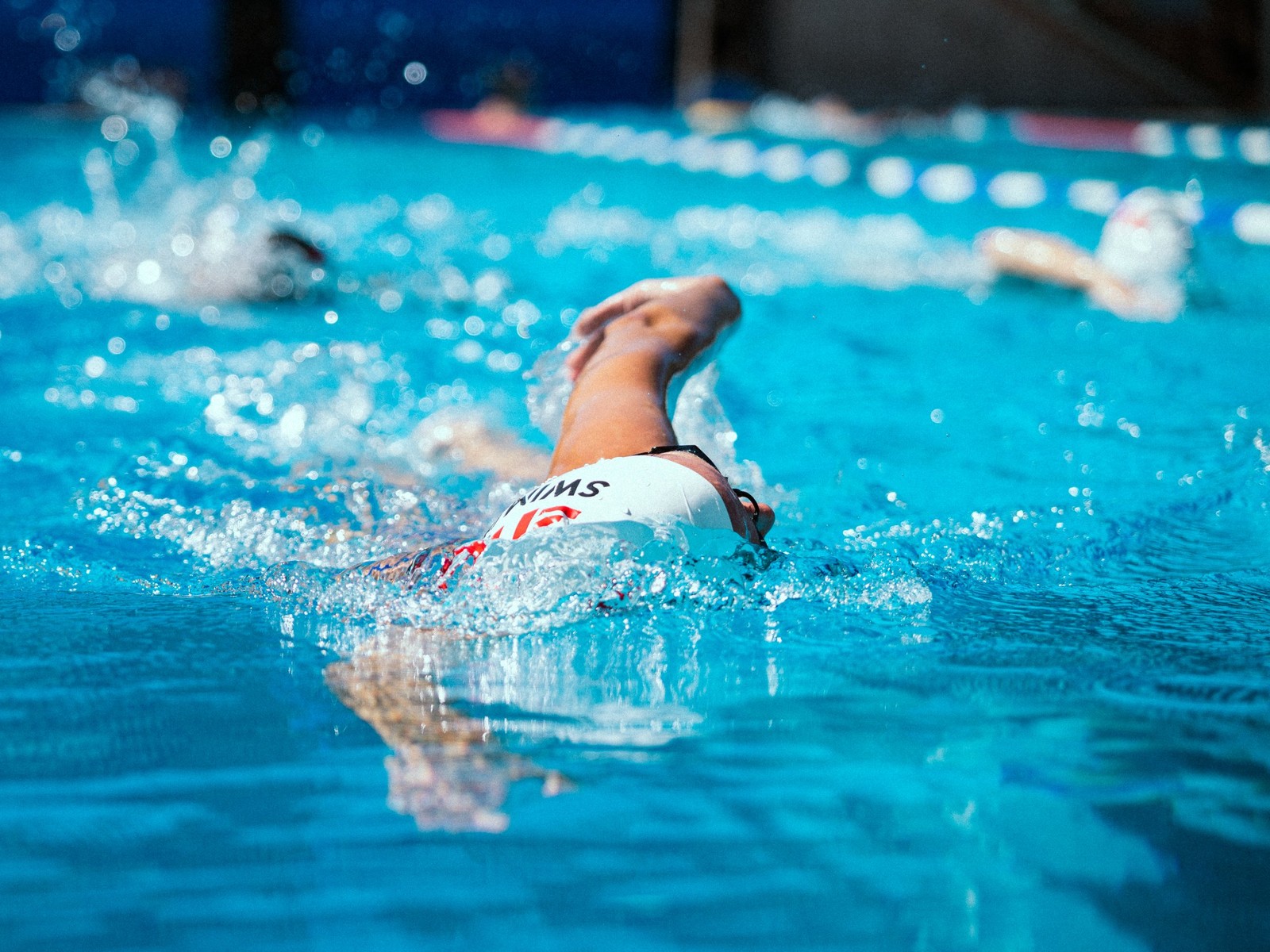
Feel like you're drowning after a length or two? It's not your fitness. It's your breathing. Here's how to breathe while swimming: exhale the whole time your face is in the water, turn your head to the side instead of lifting it, time the breath with your stroke, and three simple drills to make it automatic.
The most valuable piece of equipment in swimming is free and already on the wall. Here's what the research says about interval training, from VO2max to time efficiency, why fixed :20 rest isn't really interval training, why your watch can't replace the pace clock, and how to start training on send-offs this week.
A 46-year-old lifelong swimmer hadn't gotten faster in over 10 years and thought her best was behind her. Ten weeks out from her 70.3, she traded long repeats for speed and technique work. She dropped 2 minutes off her 70.3 swim and set a PB by over 10 minutes.

Worried you can't finish an Ironman swim without swimming 3,800 meters straight in practice? Marathoners don't run 26.2 before race day, and you don't need the full swim either. Here's the math on why your weekly training already covers the distance many times over, and why speed work makes Ironman pace feel easy.
Most triathletes skip the kick and live on the pull buoy. Here's why that costs you balance, body position, and rhythm, what happened when Joe Skipper spent six weeks on his kick, and how much kick work you actually need: a little, often, and never zero.
One stroke per 25 doesn't sound like much. Over an Ironman, it's like getting 200 yards of the swim for free. Here's the math on stroke count, why it's not the same as speed, the big three fixes that drop strokes fast, and a round of swim golf to test yourself this week.
Training doesn't make you faster. Recovery does. Here's why you need one full day off a week, the recovery routines that actually pay you back, from mobility and sauna to breathing work and sleep, and how I structure deload weeks so you come out stronger instead of more tired.

She was training 15 hours a week around a demanding job and kids, and her body was breaking down. We cut her to 10 hours, two focused swims, and added lifting and recovery. She hit her goal time and dropped 10 seconds per 100. Here's what we changed, and why your body can't tell training stress from life stress.
Plenty of races won't let you swim before the gun. Most triathletes respond by not warming up at all, then pay for it in the first 400. You don't need water to get ready. Here's the exact ten-minute land routine that primes your heart rate, your muscles, and your stroke, so you start warm instead of cold.
Half the field stands on the beach doing nothing, then sprints into cold water and panics 200 meters in. They're not out of shape, they just skipped the warm-up. Here's the triathlon swim warm-up that actually works: land first, then water, four jobs, done, plus what to do when you can't get in the water at all.
Two triathletes make opposite mistakes with the same result. One's a strong swimmer who thinks he's done improving. The other just wants to survive the swim and calls it good. Both are leaving huge gains on the table. Here's why nobody's as done as they think, and why the greatest swimmer in history still had a coach.
Swim training has changed drastically in the last twenty years, away from endless volume and threshold grinding, toward specificity and race-pace work. The best coaches in the world made the shift, and the results prove it. Most coaches, especially in triathlon, never noticed. Here's what changed, and why it's exactly how I train triathletes.
A wetsuit makes almost anyone feel like a great swimmer, and that's exactly the problem. It doesn't fix your stroke, it hides it, until the neoprene comes off on the worst possible morning. Here's how to build a swim that's already fast before you ever zip up.
You've been reading my theory. This week, try one of five simple changes that add up to a smarter way to swim. No new program, no big commitment, just small wins you get to keep.
Everyone wants the magic set, the one epic workout that makes them fast. It doesn't exist. Fitness comes from stacking a hundred ordinary sessions, not one heroic blowout. Here's the math on why consistent, structured swim training beats the hero workout every time, and why the hero workout is actually hurting you.
You and your training partner keep showing up, winging it, and getting nowhere. Here's the conversation that fixes it. Why following a structured swim training plan is actually easier than making it up at the wall, and how it turns two people moving water around into two people who actually get faster.
Most triathletes push the swim to the edge of the schedule and pour their hours into bike and run. That's backwards. The swim is your weakest leg, which makes it the cheapest speed you'll ever find, three minutes off a 70.3 on three hours a week, with none of the pounding that wrecks your body. Here's the math.
The internet says you need 20,000 yards a week to swim a good 70.3. That number comes from ex-swimmers with unlimited time, not from you. Here's how much a time-crunched triathlete actually needs, why total yardage is a garbage measurement, and a real sample session to prove it.
Think you missed the boat because you started swimming at 35 instead of 5? You didn't. Getting fast in the water was never a contest of who started earliest, it's a contest of who trains correctly from today. Here's why adult-onset triathletes can absolutely get fast, and who this blog is really for.
Hiring a triathlon coach to fix your swim feels convenient. It's also why so many age-groupers never get faster. Here's the real difference between a swim coach and a tri coach, in training design and technique, and how to pick the one who'll actually make you fast.
The swimmer's snorkel is the most underrated tool in your bag. It takes breathing off the table so you can groove perfect technique, trains the muscles you breathe with, and builds open-water calm. Here's what it really does, the honest downsides, and exactly which one to buy.
Worried that swimming less means getting less? It doesn't. Here's how to tell real training from junk yardage, why easy swimming only earns its place three ways, and how cutting the waste makes you faster, not slower.
Here's the most common triathlon swim training mistake, why it feels so reassuring, and the uncomfortable work that actually makes you faster.
Most triathletes measure their swim against the wrong picture and it’s no wonder they feel hopeless. Here's a better definition of a good swimmer, one that's efficient, calm, and race-smart, and completely within your reach no matter when you started.
Most triathletes swim everything at one speed, too fast when it should be easy, too slow when it should be fast, and get nothing from either end. Here's the pacing mistake wrecking your pool time, and the workout structure that finally makes it pay off.
When you stop grinding junk yardage, the hours and energy don't vanish, they pile up. The Skeptic is back to translate Coach Ziggy's philosophy into a practical question: now that you're swimming less, where should all that reclaimed time go? Here's the smart order, from strength to recovery.
From an unrecruited walk-on to an ACC champion and coach to elite athletes, Coach Ziggy shares the story that shaped his training philosophy, and why he believes the right training can unlock far more than talent ever could.
Some people make the pack, some get dropped and swim alone. The Skeptic says that's talent. The numbers say it's three seconds per 100, and anyone can close that gap.
Most triathletes think they're "just not swimmers." They're wrong. Here's the promise of TRI Swim Club, the swim ladder every triathlete sits on, and how to climb it, on less training, not more.
Why swimming less, but smarter, makes time-crunched triathletes faster than grinding out easy yardage every week.
The tiny details you're obsessing over; gear, drills, rest intervals barely move the needle. Here's what actually does.
Skipping speed work in the pool costs more than a slower swim; it costs the draft, your energy, and your entire race.