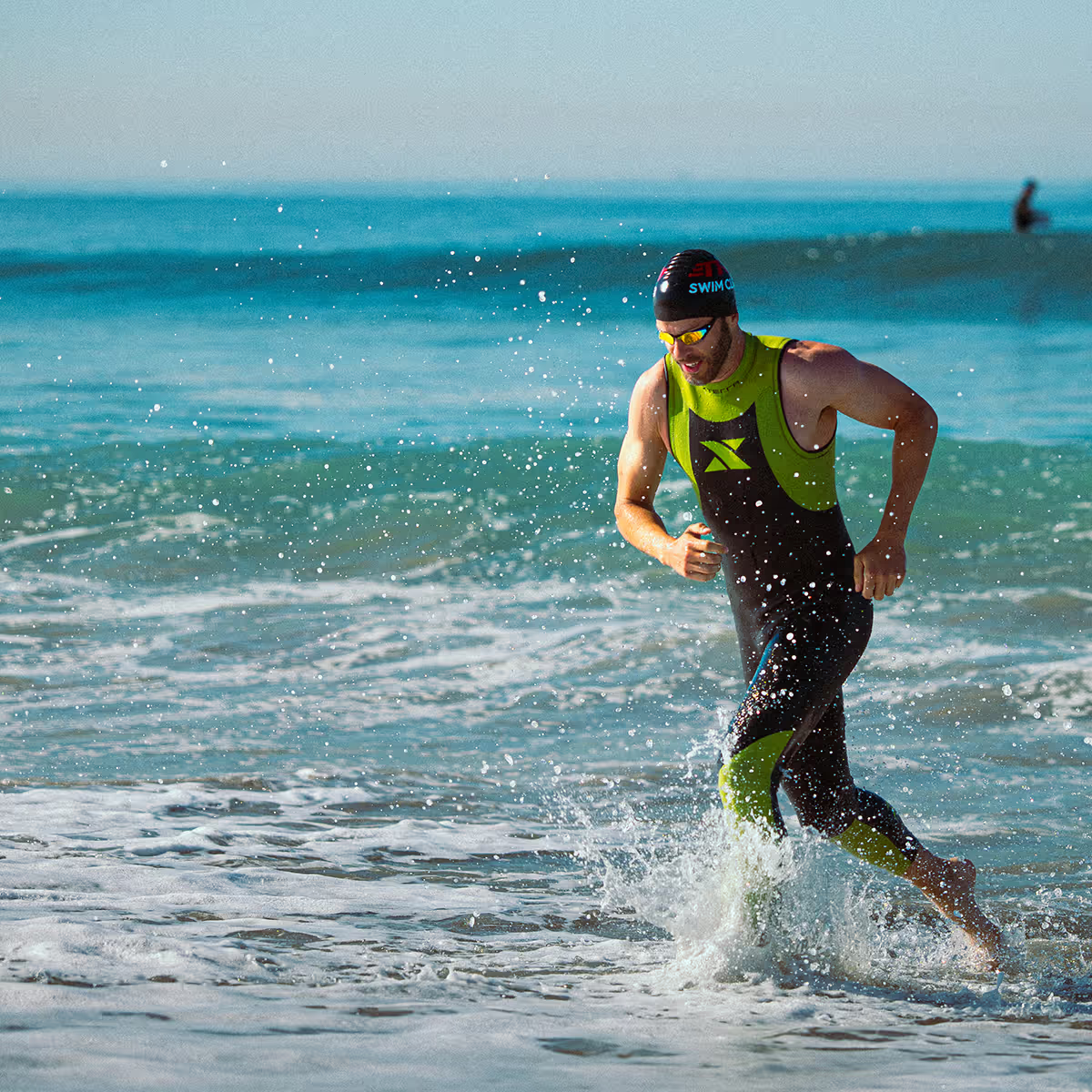
What to Do When They Won't Let You Warm Up
Plenty of races won't let you swim before the gun. Most triathletes respond by not warming up at all, then pay for it in the first 400. You don't need water to get ready. Here's the exact ten-minute land routine that primes your heart rate, your muscles, and your stroke, so you start warm instead of cold.

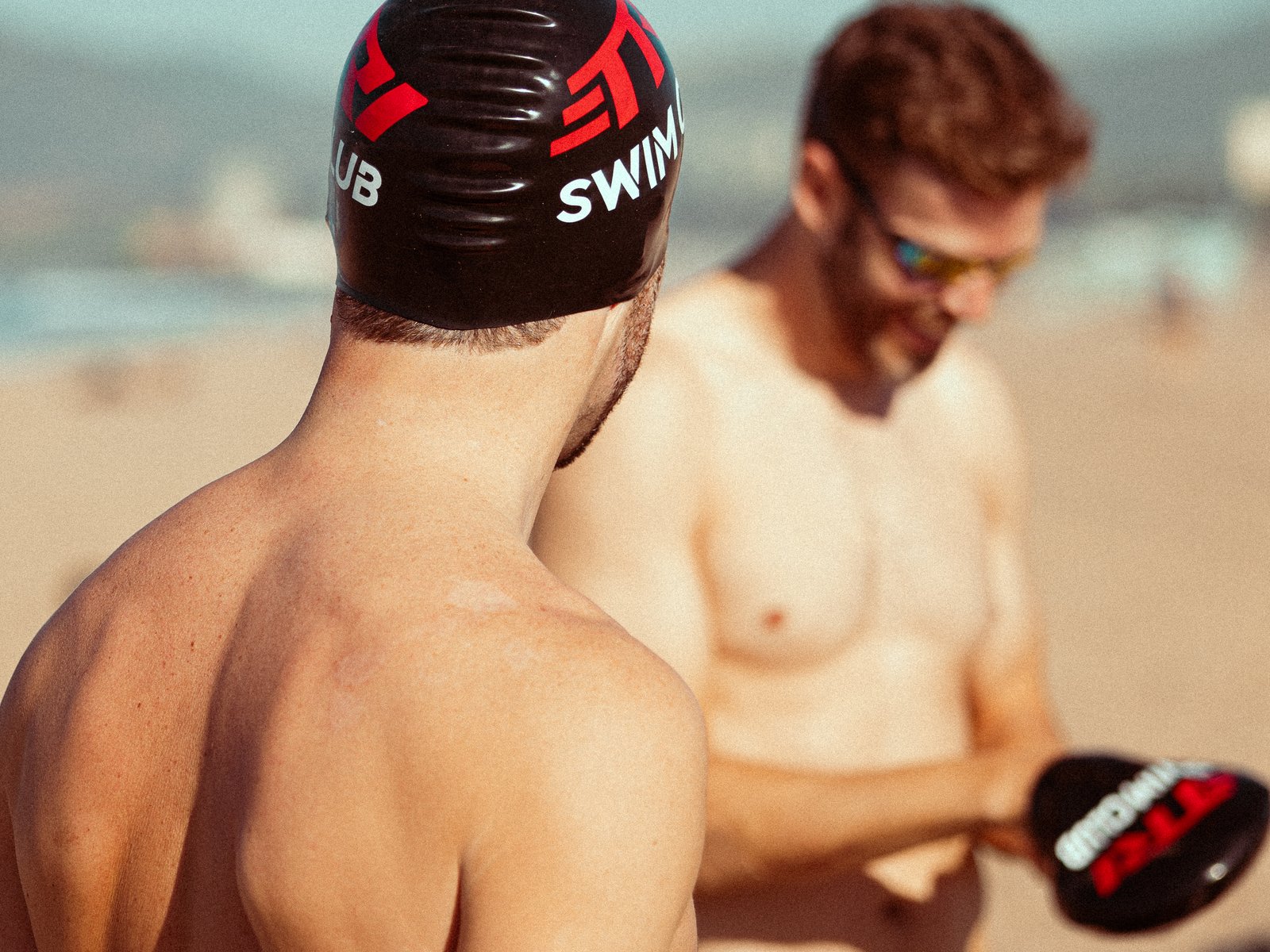
In my last post on race-day warm-ups, I told you to warm up on land first, then finish in the water. But here's the situation that trips up more triathletes than any other: sometimes there is no water to finish in.
The venue doesn't allow pre-race swimming. The start is a zoo. The water's roped off. It happens all the time, even at big races, even at championship-level events. And most triathletes, when they realize they can't get in for a swim, just... give up on warming up entirely. They stand there cold, tell themselves it's fine, and then get the same panicked, gasping, lactic-acid start we talked about last time, the one that wrecks the first 400 and cooks their legs before the bike.
Don't be that person. You do not need water to warm up. You need to raise your heart rate, prime the right muscles, and rehearse the rhythm of your stroke, and every one of those can be done standing on dry sand in your bare feet.
Here's the exact routine I give athletes when water access isn't an option. The whole thing takes about ten minutes. The goal is simple: mimic the rhythm, the muscles, and the intensity of your swim without getting wet.
1. Should and Lat Activation (2-3 Minutes)
This wakes up the muscles that drive your first 100 meters.
If you've got resistance cords:
- 2x15 band pulls (straight in front)
- 2x15 band pulls (high to low)
- 2x10 single-arm strokes, smooth and full range
- 2x10 tricep extensions
No cords? Bodyweight works fine:
- 10-15 push-ups, slow and tight through the core
- 10-15 bench dips
- 10-20 arm swings, forward and backward
- 10-15 reverse snow angels (face down, to fire up the upper back
2. Hip and Core Activation (2 Minutes)
These are the muscles that hold your body position and drive your rotation, the stuff that falls apart first when you're cold and tight.
- 10-15 glute bridges
- 10-12 bird dogs each side
- 10-15 hollow rocks, or a 20-second hold
- 10-15 bodyweight deadlifts, light, focused on posture
3. Heart-Rate Elevation (3-4 Minutes)
This is the big one. It replaces the aerobic rise you'd normally get from swimming, and it's the difference between a controlled start and a shock to the system. Pick whatever you've got:
- Jog: 90 seconds easy, then 2x20 seconds moderate with full recovery
- Jump rope/jumping jacks: 60 seconds easy, then 2x20 seconds moderate
You just want your breathing up and your engine running, so the gun isn't the first time your heart rate climbs all day.
4. Pace Work (2 Minutes)
This is the land version of touching race pace. It fires the neuromuscular pathways you'll lean on in your opening minutes.
With cords:
- 2x20 seconds of smooth, controlled strokes at race tempo, 45-60 seconds rest between
Without cords:
- 10-15 arm swings, then 10 controlled push-ups, then 10 bench dips, then 10-15 "air strokes" matching your actual race rhythm
Cue yourself the whole time: controlled turnover, strong exhale, tall posture. You're rehearsing the feeling of your race, not just flailing your arms.
5. Quick Reset (1 Minute)
Finish by bringing the tension back down before you stage.
- 5-6 deep belly breaths
- 10 easy shoulder rolls
- Shake out the arms and legs
If your breathing spikes or you feel jittery, stop early and just breathe. The point is to arrive at the line warm and calm, not wired.
The 10-Minute Script
if you just want to be told what to do:
- 15 band pulls (front)
- 15 band pulls (high to low)
- 10 strokes each arm
- 10 push-ups
- 10 glute bridges
- 2x (90 seconds jog + 20 seconds moderate)
- 2x 15 seconds race-tempo cords, or air strokes
- 5 deep breaths and 10 shoulder rolls
That's it. Ten minutes, no water, and you walk to the start warm, loose, and primed instead of cold and bracing for impact.
One last thing, and it matters more than people think. There's almost always a gap between finishing your warm-up and actually starting, and your heart rate drifts right back down in that window. So top off right before you go. My go-to is 10 fast jumping jacks and 5 fast, deep breaths, repeated until I feel switched on. If you're already calm and loose, do nothing and save it.
A land warm-up isn't a compromise. It's a plan. And the athlete with a plan for the morning the water's closed is the one who swims calm past everyone who assumed they'd get to warm up and didn't.
Ready to see real progress in the water?
Follow structured weekly sessions that steadily build speed, endurance, and race control.
New to structured swim training?
Build confidence, improve technique, and double your distance before you join the TRI Swim Club.
Chasing podiums or performance goals?
Train with elite-level structure scaled to your ability with 1:1 coaching to compete at your highest level.