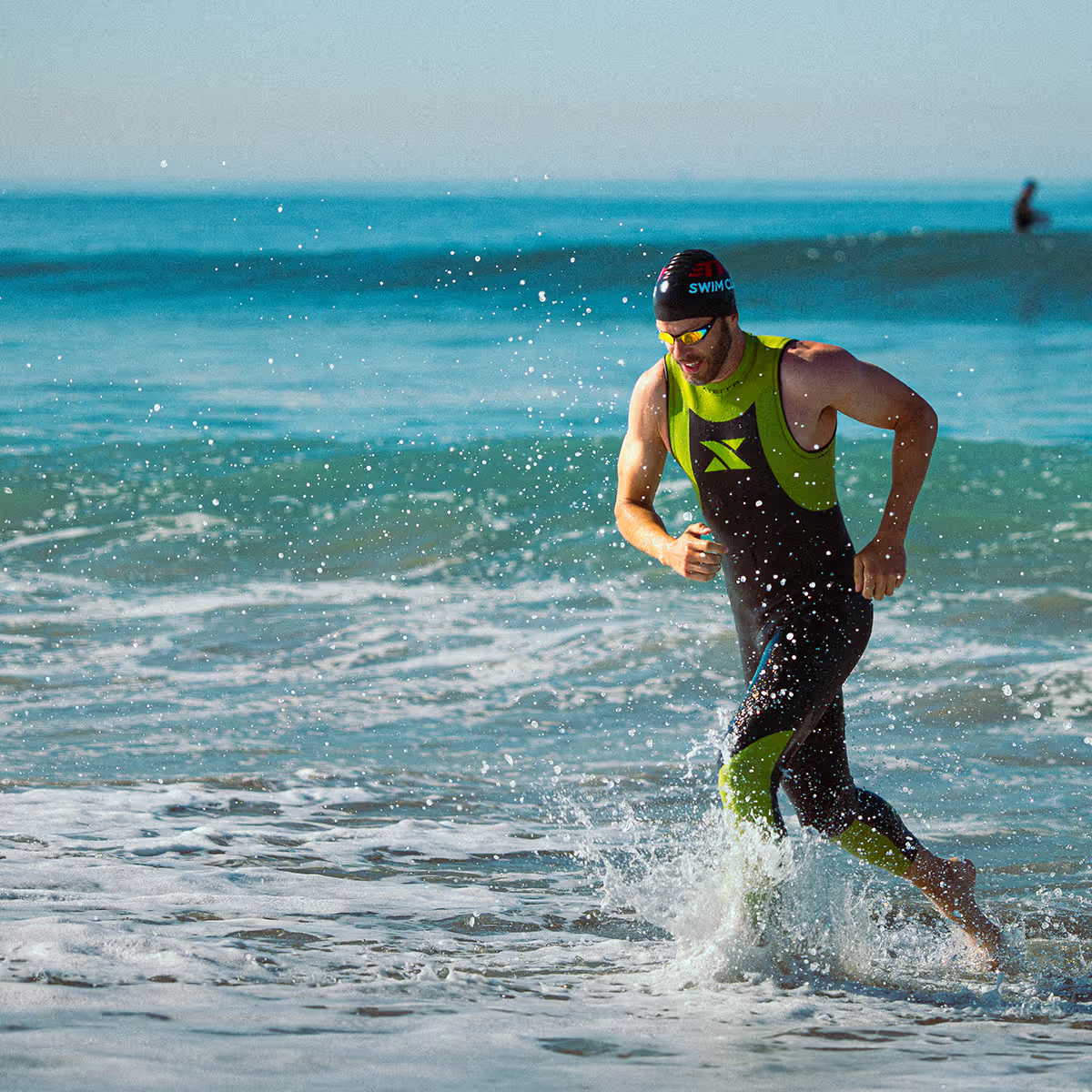
Meet the Skeptic
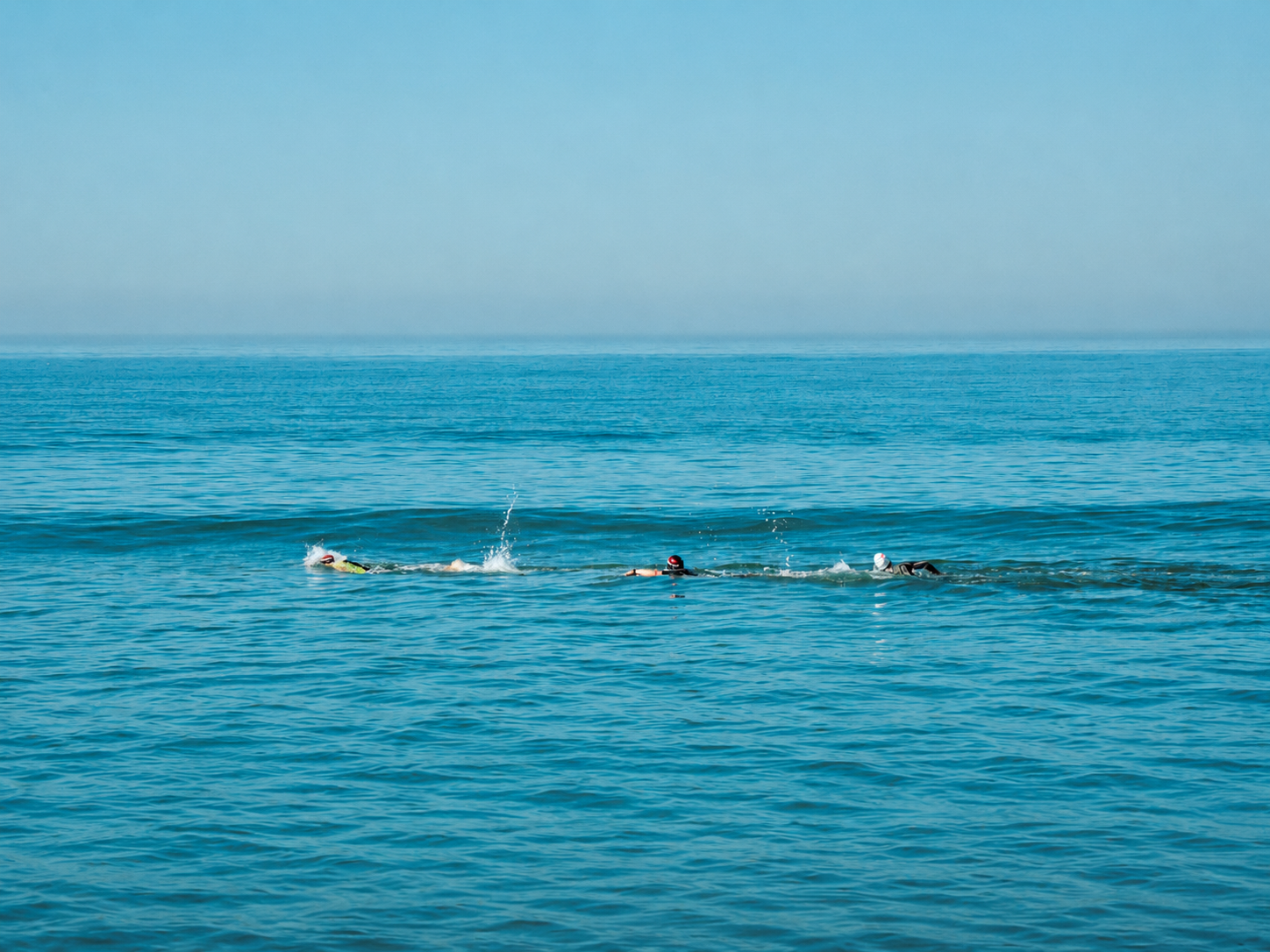
Some people make the pack, some get dropped and swim alone. The Skeptic says that's talent. The numbers say it's three seconds per 100, and anyone can close that gap.

Whoa. Did you read that opinionated nonsense yesterday?
Who is this "Coach Ziggy" guy? Some former pro who thinks he's got the swim all figured out. Easy for him to say swim less and make the pack. He's basically a fish. Sure, maybe you can float to the front if you grew up on a swim team, swam the black line since you were six, and have the shoulders for it. But what about the rest of us? The adult-onset swimmers who took this up at 35 and sink like a bag of wrenches? Is there any hope at all?
The Skeptic POV
My name is The Skeptic. I'm here to add a little perspective to the hard-edged idealism of this "Coach Ziggy" fellow, who needs a nickname like that anyway.
Because let's be honest, swimming is hard. Really hard. You didn't grow up doing it. You're dense and you sink. You get winded in 50 meters. The water is a foreign country and you don't speak the language. Meanwhile the guy in the next lane makes it look like breathing. So of course some people make the pack and some people get dropped and swim alone. That's just talent, isn't it? Genetics. Luck of the draw.
Or is it? Is there actually something the rest of us can do to beat the odds? As The Skeptic, I'll grudgingly admit there might be, and I'll show you with small, powerful numbers. Because here's the uncomfortable thing I found when I actually ran them. There is a shockingly fine line between making the pack and swimming the whole race alone.
How fine? How about three seconds per 100.
The Math That Leads To The Pack
Here's your lesson for the day. Say the front pack settles into a cruise of 1:30 per 100. And say you swim 1:33. Just three seconds slower per 100. That's nothing, right? You can barely feel three seconds. Watch what it does.
- The first 400: at three seconds slower per 100, you're twelve seconds behind the pack by the time they settle. Twelve seconds is a lot of open water. The feet are gone.
- Now you're alone. And the moment you lose the draft, you lose the free ride that came with it. Call it six more seconds per 100 the instant you're swimming your own water instead of theirs. You're not three seconds off pace anymore. You're nine.
- And alone, nobody's pulling you straight either. You sight more, you drift, you wander a little in the chop. Tack on another second or two per 100. Now you're swimming 1:41 while the pack you just missed cruises away at 1:30.
- Over the rest of a 1900-meter swim, that gap piles up to about three minutes. And here's the late fee that triggers everything: you climb out of the water not just three minutes down, but gassed, because you fought every meter of it yourself. So you start the bike with no legs, and that fine little three-second gap keeps right on charging you interest through 56 miles and a half marathon.
Three seconds per 100. A gap you literally cannot feel. And it cost you the pack, three minutes of swim, and your legs for the rest of the day. That's not so bad, is it?
YES IT IS.
The 3 Second Difference
And that's three seconds. Imagine the athlete who's eight or ten seconds per 100 off the pack pace. That person never even sees the front group. They swim solo from the gun to the exit, every single race, and climb out five or six minutes down and completely cooked, then spend the whole bike wondering why everyone else looks so fresh. Race after race, season after season. All from a gap small enough to hide inside a single breath.
So the lessons for the day, from your friend The Skeptic:
- The line between making the pack and swimming alone is razor thin, way thinner than it feels. A few seconds per 100 doesn't stay a few seconds. It compounds, because missing the pack strips the draft and cooks your legs, and those cost you far more than the seconds you started with.
- Once you understand that, every story about an age-grouper who "just can't swim" starts to make sense. They're not five minutes slower than the pack. They're three seconds per 100 slower, and the race did the rest.
- But here's the part that got even me, the resident cynic. That fine line runs both directions.
What If You Could Make A Pack?
Because what if you found three seconds per 100 instead of losing them? What if you did the work to swim 1:30 instead of 1:33?
Now the whole thing flips. You make the pack. You settle onto the feet. And the draft that was charging the other guy interest starts paying you dividends, because now you're getting pulled along at 1:30 while working like it's 1:35. Free speed. And you bank all that saved effort for the bike, so you roll out of the water three minutes up and fresh instead of three minutes down and fried. Same three seconds. Opposite race.
And three seconds per 100 is just the start. That's the easy part, the low-hanging fruit any triathlete can grab with a little focused work. We can do much, much better than that. Read on!
Ready to see real progress in the water?
Follow structured weekly sessions that steadily build speed, endurance, and race control.
New to structured swim training?
Build confidence, improve technique, and double your distance before you join the TRI Swim Club.
Chasing podiums or performance goals?
Train with elite-level structure scaled to your ability with 1:1 coaching to compete at your highest level.