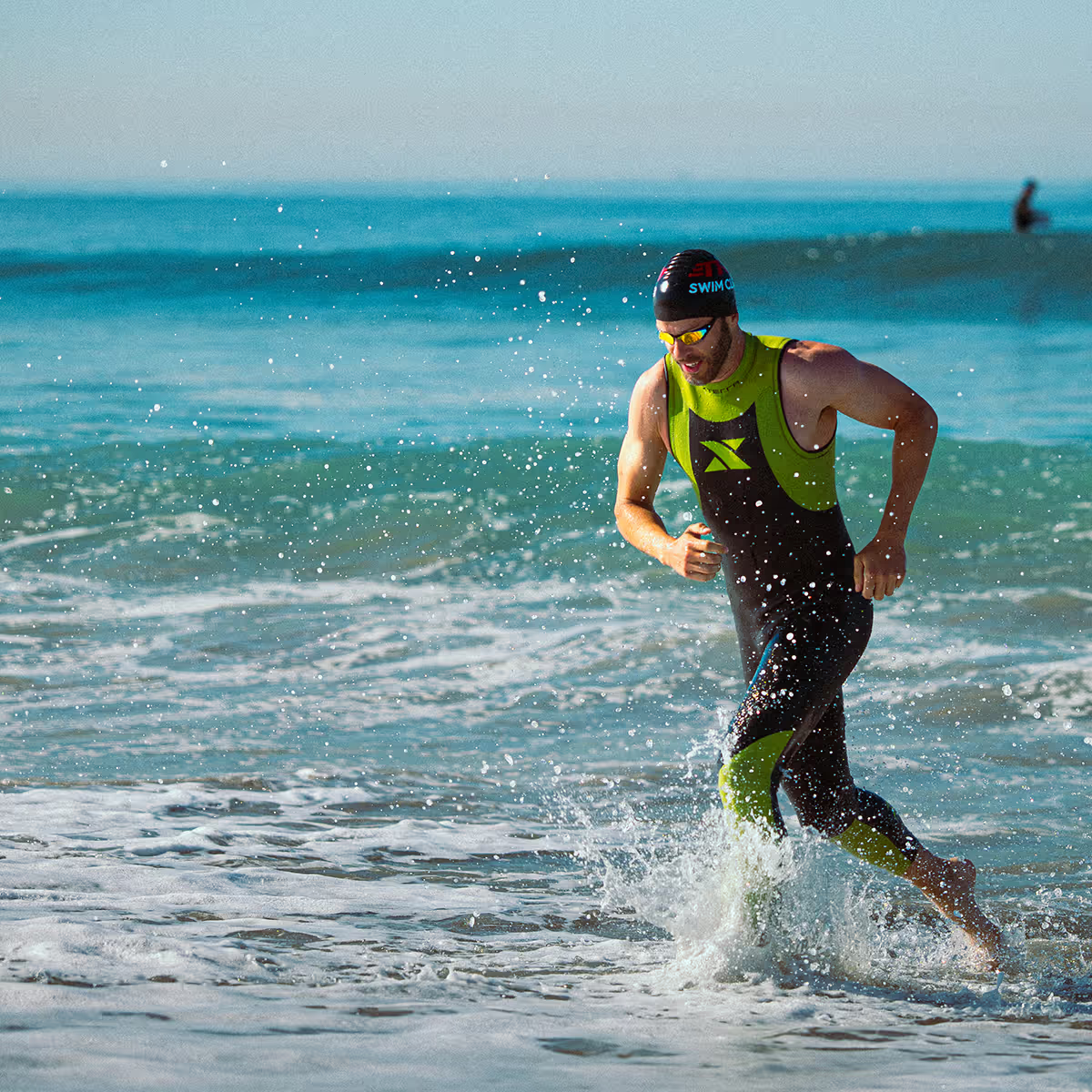
The true cost of skipping speed work
Skipping speed work in the pool costs more than a slower swim; it costs the draft, your energy, and your entire race.

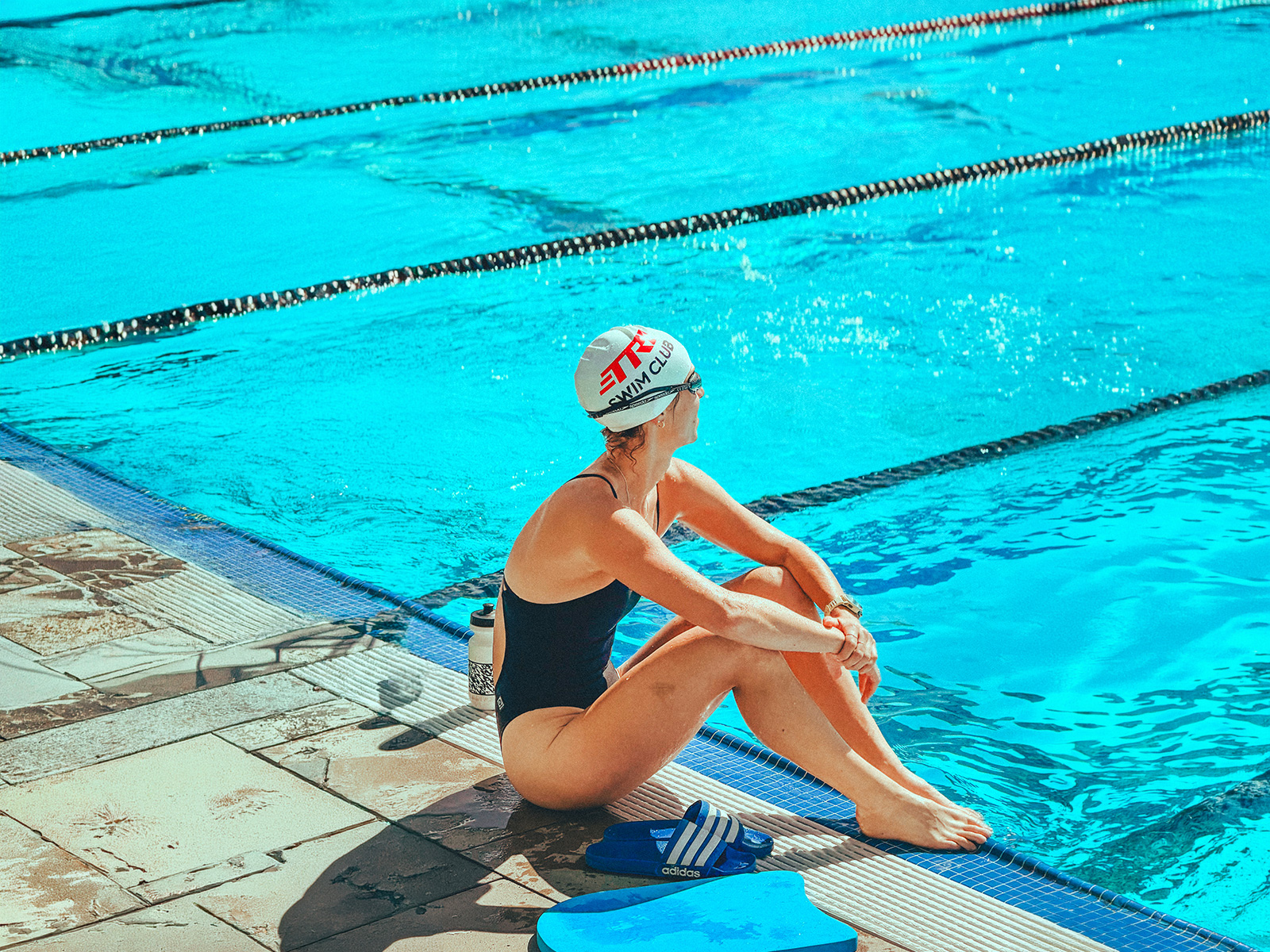
I was on a pool deck last spring, watching a guy finish a long, smooth, entirely comfortable 3,000-meter swim. Nice stroke. Clearly fit. We got to talking, and he told me proudly that he was training for his first Ironman.
So I asked what his swim training looked like. "Oh, I just try to get in 3,000 meters," he said. "I'm not worried about speed. It's an Ironman." He said it the way people say obvious things, and his buddy nodded along.
Then he waved it off with the line that made me put my coffee down. "Anyway, the swim's only a small part of an Ironman. I just need to get through it."
Yes, actually, it IS a big part. And skipping speed work is quietly wrecking your entire day.
This misconception, that endurance athletes don't need speed, is probably the single biggest thing keeping age-groupers slow and tired. So let's do the math, because the math is brutal.
Cost number one: Your first 400 meters buys or loses your entire swim
Here's what actually happens when the gun goes off. Everyone sprints. A front pack forms in the first two or three minutes, and then that pack starts drafting. Swimming lets you draft better than any other leg of the race. Sitting on someone's feet cuts your energy cost dramatically, because you're riding in their wake instead of fighting your own.
But you only get that gift if you make the pack. And making the pack requires exactly the thing our friend refuses to train: speed.
Let's put real numbers on it. When the gun goes off, the front pack surges. They take the first 400 out fast, say around 1:20 per 100, then settle into a cruise, about 10 seconds slower at 1:30, once the group is established. Our guy swims his natural 1:30 from the start. That feels smart. It isn't. Because while he's swimming a sensible 1:30, the pack is covering that first 400 ten seconds per 100 faster than he is. Four hundred meters in, when the pack settles, he's already 40 seconds behind the last set of feet. At swimming speeds, that's not a gap you close. The pack is gone.
Covering that surge was the whole game. Matching 1:20 for those opening 400 meters instead of his comfortable 1:30 is about a 40-second effort, one hard, uncomfortable, slightly oxygen-debted push. That's the entire price of admission.
If he pays it, he's on the feet. He tucks into the draft and rides the pack's 1:30 cruise at his own easy effort all the way to the exit. He comes out faster AND fresher, because the draft is doing part of the work.
If he can't, he settles in alone. And swimming solo is slower than riding a pack, because now there's no wake to ride and nobody to pace off. Figure he drifts about 6 seconds per 100 slower, to a 1:36. Not a huge gap on paper. But he plows his own furrow for the remaining 3,400 meters, and it adds up. Over a full 3,800-meter Ironman swim, the difference between riding the pack at 1:30 and grinding it out solo is roughly three to four minutes. And that badly understates it, because the drafting swimmer spent those minutes resting in someone's wake while the solo swimmer spent every one of them fighting his own water.
So read that back. A 40-second effort he couldn't make, because he never trained the speed to make it, cost him three or four minutes on the clock and a meaningful chunk of the legs he needed for a 112-mile bike and a marathon. Your first 400 doesn't just set your swim time. It sets how tired you start the rest of your race. That is the opposite of a small detail.
Cost number two: The pool is the cheapest speed you'll ever buy
Here's the part almost nobody thinks about. To get faster at anything, you need high-intensity work. That's not optional, and it's not just for short-course athletes. Your body only builds top-end and efficiency when you spend time up in the higher zones. The only real question is where you go to buy that stimulus, and the prices are wildly different.
Buy it running, and it's expensive. Run intervals pound your joints, tear down your muscles with hard eccentric loading, and fry your nervous system. A genuine speed session on the run can cost you a day or two of recovery, and for a lot of athletes it buys an injury instead of fitness.
Buy it in the pool, and it's almost free. You're weightless. There's zero impact. You can push into zone 4 and 5, get every bit of the high-intensity adaptation you're after, and climb out with none of the structural damage. You can do a genuinely hard swim and still nail your key bike session the next morning.
So the pool is the single best bargain in all of endurance training. It's the one place you can train truly hard without paying the injury and recovery tax. And our Ironman friend, terrified of speed work, walks right past the discount rack to go grind more junk yardage. It's like refusing the bike commute to go sit in traffic. The cheap, low-impact, high-return option was sitting right there, and he skipped it.
The objections, before you make them
"But I need endurance, not speed." You need both, and you should keep training both. The fix isn't to drop aerobic work in the pool, it's periodization, plus at least one true aerobic swim a week all year. But the bulk of your endurance base is already coming from hours on the bike and the run. So the pool doesn't need to be another endurance factory. Keep your aerobic anchor, and spend the rest of your limited swim time buying the speed you can't get anywhere else.
"Won't hard swimming leave me too tired for my big rides?" Only if you structure your week badly. The answer is to stack like with like. Put your hard swim on the same day as your hard bike, and keep your easy sessions together on their own days. Go hard in the pool one day and hard on the bike the next, and your nervous system never catches up, so you're always a little wrecked and never actually recovered. Group the hard days, group the easy days, and a tough swim costs you almost nothing you needed.
"I'm a weak swimmer, speed work will drown me." You will race how you train. Swim long and slow every session and you will swim long and slow on race day, guaranteed. And even if your only goal is to finish, you still have to prepare for the chaos of the start. People kick you, punch you, and swim right over the top of you to get ahead. Your adrenaline spikes whether you're ready or not. You have to train for that, and you have to know how to settle back into your rhythm once the pack splits. Comfortable easy laps prepare you for none of it.
The equation: How to run your own numbers
Every second of top-end speed you're missing early costs you two ways. It costs you the draft, which is minutes over a long swim, and it costs you the energy you burn swimming solo, which is legs you don't have for the bike and run. Meanwhile, the training that fixes it is the least damaging hard work in your entire week.
So the true cost of skipping speed work isn't zero. It's a slower swim, a more tired you, and the waste of the one place you can train hard for practically free. Add it up and it's the worst trade in the sport.
Your one job this week
This week, put one real speed session in the water. Short, fast reps on a send-off that actually lets you recover so you can hold the pace. Practice swimming hard enough to hold a fast pace for 400, then settling. It'll be uncomfortable, and it will feel nothing like your comfy 3,000. That discomfort is you finally buying something worth having.
So that's my answer for the guy on the pool deck. I'll see him next season, swimming alone again in the second wave, unless he decides to train the thing that lets him hang on. His call.
Ready to see real progress in the water?
Follow structured weekly sessions that steadily build speed, endurance, and race control.
New to structured swim training?
Build confidence, improve technique, and double your distance before you join the TRI Swim Club.
Chasing podiums or performance goals?
Train with elite-level structure scaled to your ability with 1:1 coaching to compete at your highest level.