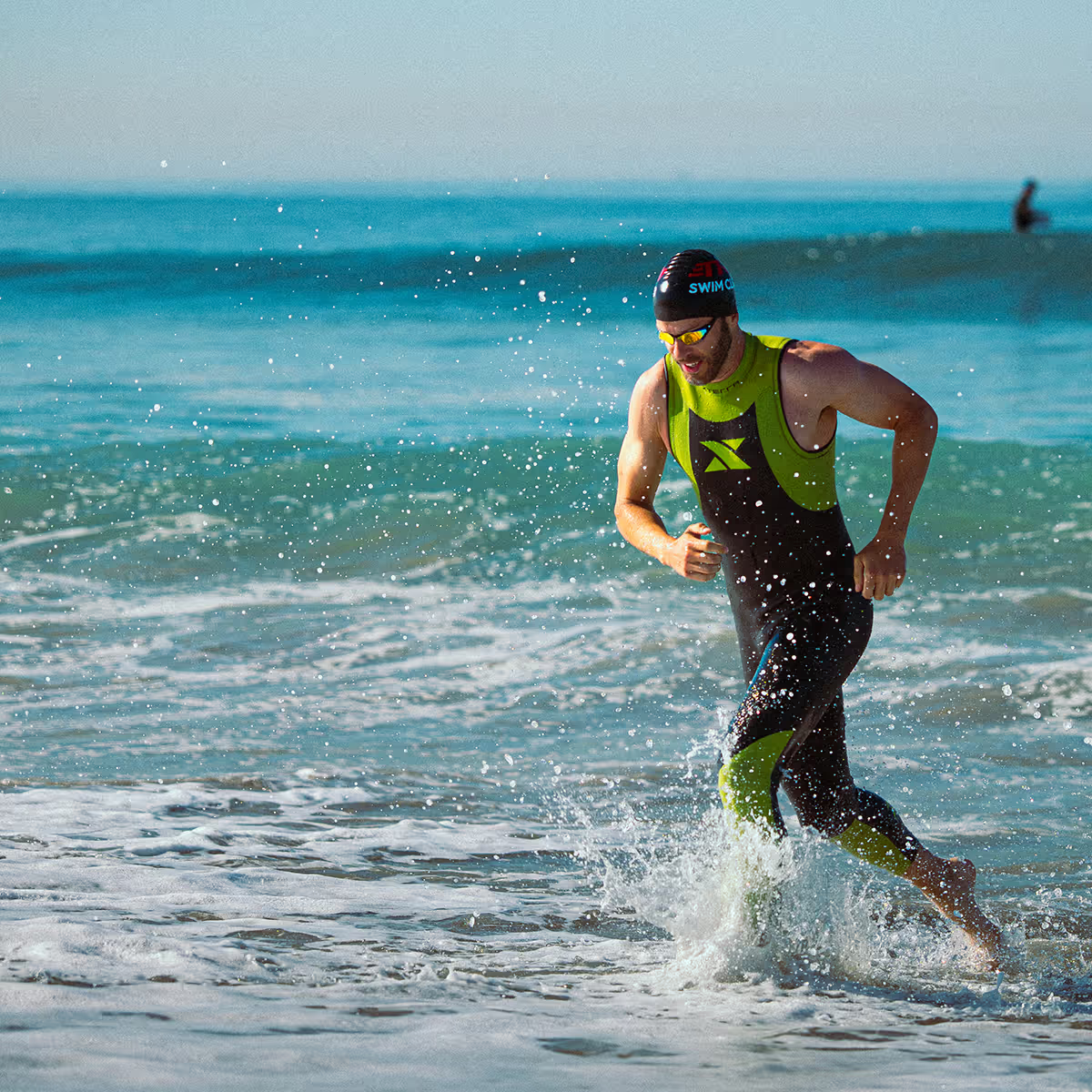
Can You Afford to Do an Ironman?
The internet says an Ironman costs $15,000. That’s what it costs when the triathlon industry writes your shopping list. Here’s what it really takes to get to the start line.

If you've ever googled how much an Ironman costs, you've probably closed the tab and gone to lie down.
One popular breakdown puts the "core costs" of a first Ironman at over $14,000, and more than $18,000 once you add a coach, a smart trainer, and the training apps. Another says to expect $5,000 to $15,000 before you even reach the start line. Slowtwitch ran the numbers and landed anywhere from about $3,400 to over $50,000. Scroll through any triathlon forum and you'll find people nodding along. Well, that's just what it costs. It's an expensive sport.
Waaaah.
Now, I'm not saying those numbers are made up. If you buy everything new, buy the version the guy at the bike shop recommended, and fly across the country to race, you can absolutely spend $15,000 on an Ironman. People do it every year.
But that's not what an Ironman costs. That's what an Ironman costs when you let the triathlon industry write your shopping list.
So let's break it down properly. What you actually have to pay, what you're choosing to pay, and where the money really makes you faster.
The Stuff You Can't Avoid
Some costs come with the race. There's no getting around them.
Entry fee. A full Ironman-branded race in the US runs about $850 to $1,000 to register, plus a processing fee. Call it $950.
Here's a bonus tip: the Ironman brand isn't the only way to swim 2.4 miles, bike 112, and run 26.2. Independent full-distance races often cost a fraction of that. Example I found is Peasantman, a full-distance race where early registration is $350 and late sign-ups are $485. Same distance, same suffering, about half the price.
Racing license. If you're racing in the US and aren't already a USA Triathlon member, you'll pay for a single-event license or an annual membership. It's a small line item, somewhere between $15 and $60.
Getting there and staying there. You need to be at the race for a few days, for check-in, bike drop-off, and the race itself. Three nights in a hotel will run you somewhere around $500 to $600. If you can drive to the race instead of flying, you skip airfare and the $300 or so the airline wants to fly your bike.
That's it. That's the whole list of things you truly have to pay for. Roughly $1,500 to $1,700 if you pick a race within driving distance.
Everything else is a choice.
The Stuff That's A Choice
This is where the $15,000 number comes from. And this is where you have the most room to be smart.
The bike. The internet will tell you a triathlon bike starts around $4,000. It doesn't. A good used road bike with a set of clip-on aero bars will get you through an Ironman just fine, and you can find one for $1,000 to $1,500. Thousands of people finish Ironman races on bikes like that every year. The $10,000 superbike will save you some time, but nowhere near as much as the ad promises, and nowhere near as much as getting fitter would.
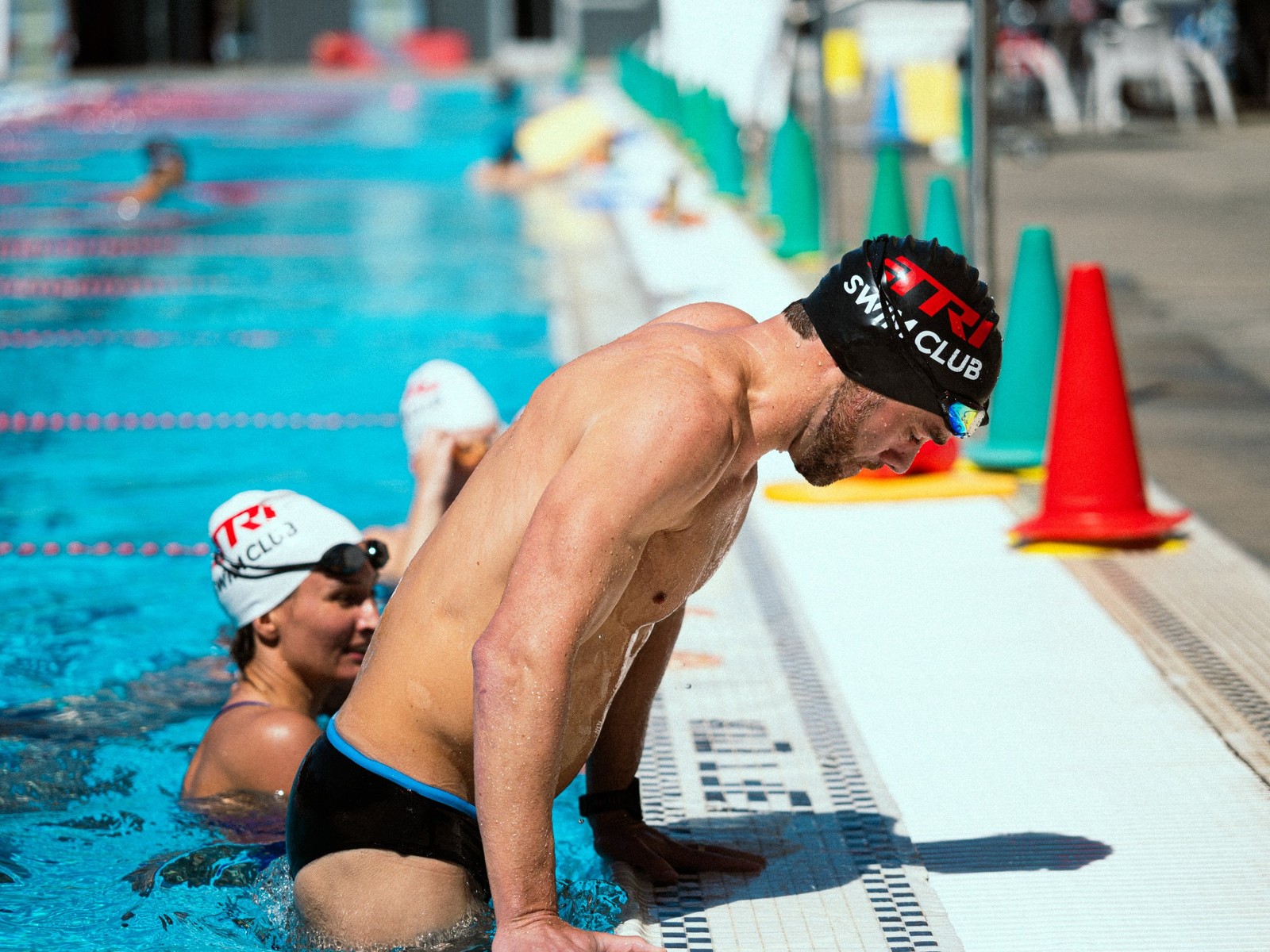
The wetsuit. New wetsuits run about $300 for a good entry-level model and well over $1,000 for the top end. A used wetsuit, a rental, or a last-season model on sale gets you the same buoyancy for a lot less. Just make sure it fits well, because a wetsuit that's too tight across your shoulders will cost you more time than the cheap price saved you. I wrote about the hidden downsides in beware of the wetsuit.
Gear. Helmet, bike shoes, pedals, a tri suit, running shoes, goggles. You need these, but you don't need the top model of any of them. A few hundred dollars covers it.
The watch. A GPS watch is genuinely useful. The $1,000 one is not ten times more useful than the $200 one.
Nutrition. Gels, drink mix, and bars add up fast over months of long training sessions, and one estimate puts it at over $2,000 a year. A lot of that can be replaced in training with real food on long rides and a basic drink mix you buy in bulk.
The pool. You need somewhere to swim. A community pool or a local gym usually costs a lot less than a fancy club. Many LA Fitness locations include a pool with your membership.
Two Ways To Do The Same Race
Here's a rough side-by-side. The first column is roughly what the internet tells you. The second is what a smart first Ironman can look like.
These are rough estimates. Your numbers will depend on where you live, which race you pick, and how good you are at finding deals. But they line up with what others have found. One recent breakdown puts a budget first Ironman at $3,000 to $5,000, and low-end estimates are about $3,400.
Same 140.6 miles. Same finish line. Same medal. About $10,000 apart.
Where The Money Actually Makes You Faster
Now here's the part most of these cost breakdowns get backward.
Triathletes will happily spend $2,000 on race wheels to save a few minutes over 112 miles. Then they'll get their swim workouts off Instagram for free and wonder why they're stuck at the same pace year after year.
If you're going to spend money on speed, spend it where the speed is cheapest. And for most triathletes, that's the swim. The athletes I coach drop an average of about 12 seconds per 100 meters. Over a full Ironman swim, that's more than 7 minutes. Compare that to what a set of wheels buys you, and then compare the prices. I break that down in the real cost of not having a training plan.
The smart move isn't to spend nothing. It's to spend on the things that make you faster, like a good plan and good coaching, and refuse to spend on the things that only make you feel faster.
The Real Cost Isn't Money
There's one more cost that doesn't show up in any of these breakdowns, and it's the biggest one.
Time.
Training for an Ironman takes something like 10 to 15 hours a week at its peak, for months. That's the real price of entry. You can't buy your way out of it, and no bike, wetsuit, or watch makes it shorter. The only thing that makes it smaller is training efficiently, which means not wasting hours on junk miles and junk yardage. In the pool, that's the whole idea behind the time-crunched swim.
So, Can You Afford It?
If you can save about $400 a month for a year, you can afford an Ironman.
You can drive to the race, ride a used bike, wear an old wetsuit, eat real food on your long rides, and cross the same finish line as the guy who spent $15,000. Nobody at the finish line is checking your receipts.
The question was never whether you can afford an Ironman. It's whether you're going to let the triathlon industry tell you what it costs.
Ready to see real progress in the water?
Follow structured weekly sessions that steadily build speed, endurance, and race control.
New to structured swim training?
Build confidence, improve technique, and double your distance before you join the TRI Swim Club.
Chasing podiums or performance goals?
Train with elite-level structure scaled to your ability with 1:1 coaching to compete at your highest level.